Thales Shows Remote Post-Quantum Security Upgrades for 5G SIM Cards at MWC
The Quantum Problem Nobody Wants to Talk About
Here's the uncomfortable reality facing every telecom operator on the planet: quantum computers will eventually break the encryption protecting 5G networks. The cryptographic algorithms that secure your SIM card, your calls, and your data were designed for a pre-quantum world.
The traditional fix? Replace every SIM card in circulation. Billions of them. Physically.
At MWC 2026 in Barcelona, French cybersecurity giant Thales showed a much better answer.
Over-the-Air Quantum Resistance
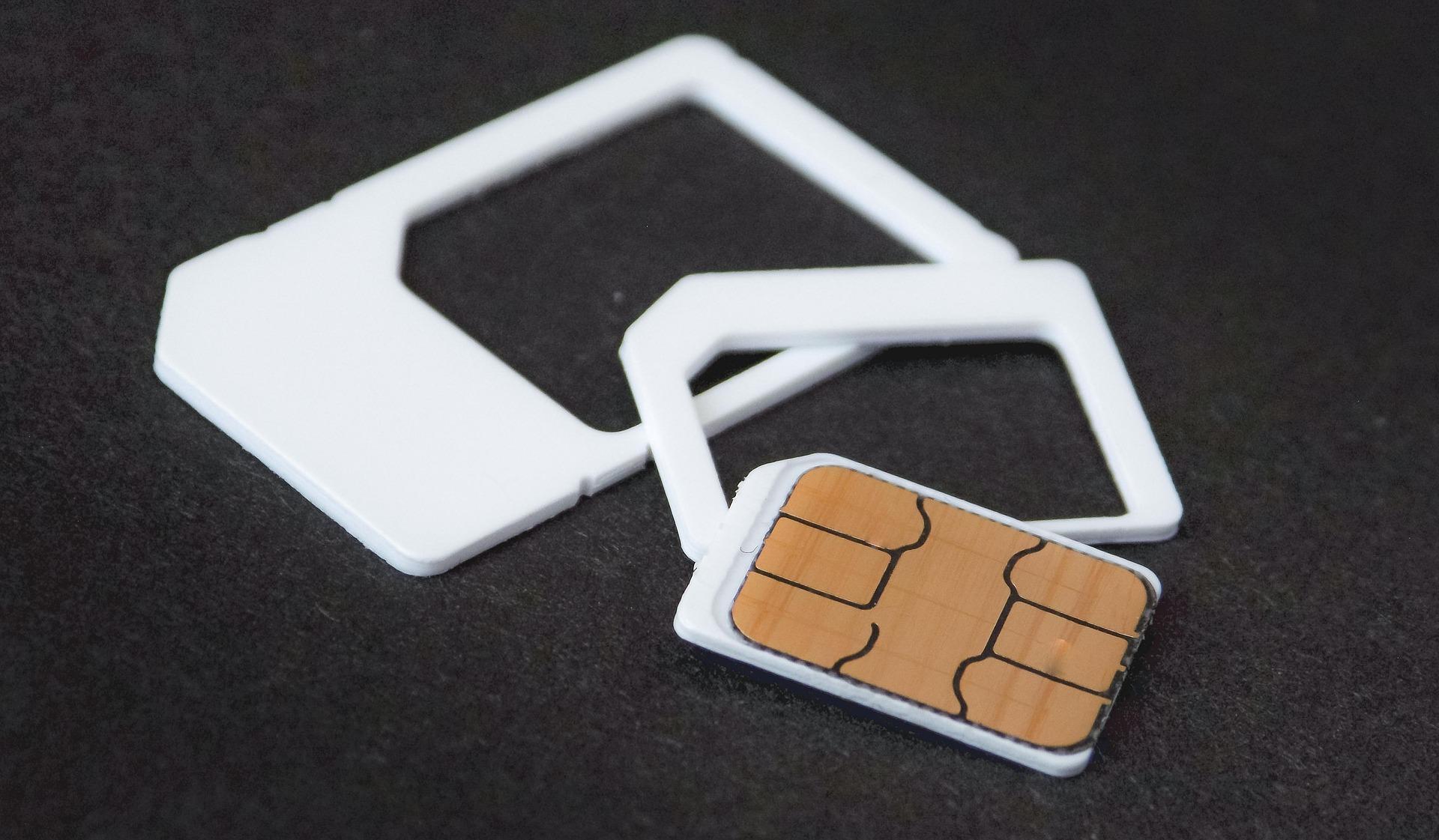
Thales demonstrated the ability to remotely deploy post-quantum cryptography (PQC) onto existing SIM and eSIM cards — without replacing devices, without interrupting service, and without losing any stored data.
They're calling the capability "crypto agility" — the idea that security infrastructure should be upgradeable in place, not ripped out and replaced every time standards evolve.
Here's what the demo showed:
- Post-quantum cryptographic algorithms downloaded over the air to SIM/eSIM cards already deployed in the field
- Zero service interruption during the upgrade process
- Full data preservation — existing credentials, profiles, and services remain intact
- Alignment with NIST PQC standards — the algorithms follow the National Institute of Standards and Technology's post-quantum cryptography standardization process
Why This Matters
The "harvest now, decrypt later" threat is real. Adversaries can intercept and store encrypted communications today, then decrypt them once quantum computers become powerful enough. For telecom infrastructure that handles everything from personal calls to critical infrastructure communications, this isn't a theoretical risk — it's an active one.
Thales put it bluntly:
"Replacing millions of devices every time security standards evolve is neither practical nor sustainable."
The ability to upgrade cryptographic protections remotely changes the economics and logistics of quantum readiness entirely. Instead of a multi-year, multi-billion dollar hardware swap, operators can push updates to their existing subscriber base.
What Developers Should Know
If you're building applications that rely on telecom security (authentication, secure messaging, IoT device management), the shift to post-quantum cryptography will eventually reach your stack too. Key takeaways:
- Crypto agility is becoming a design requirement. Applications that hardcode specific cryptographic algorithms will face painful migrations. Design for algorithm swappability.
- NIST PQC standards are the benchmark. If you're evaluating quantum-resistant libraries or protocols, align with what NIST has standardized.
- The timeline is closer than you think. Telecom operators are already preparing. Your application layer shouldn't be the weak link.
The Bigger Picture
MWC 2026 has been dominated by AI announcements and flashy hardware, but Thales' demo might be the most consequential thing shown on the floor this year. Quantum computing isn't science fiction — it's an engineering timeline. And the companies that figure out how to upgrade security infrastructure without replacing it will define how the industry navigates the transition.