NVIDIA Drops $4 Billion on Optics to Future-Proof AI Data Centers
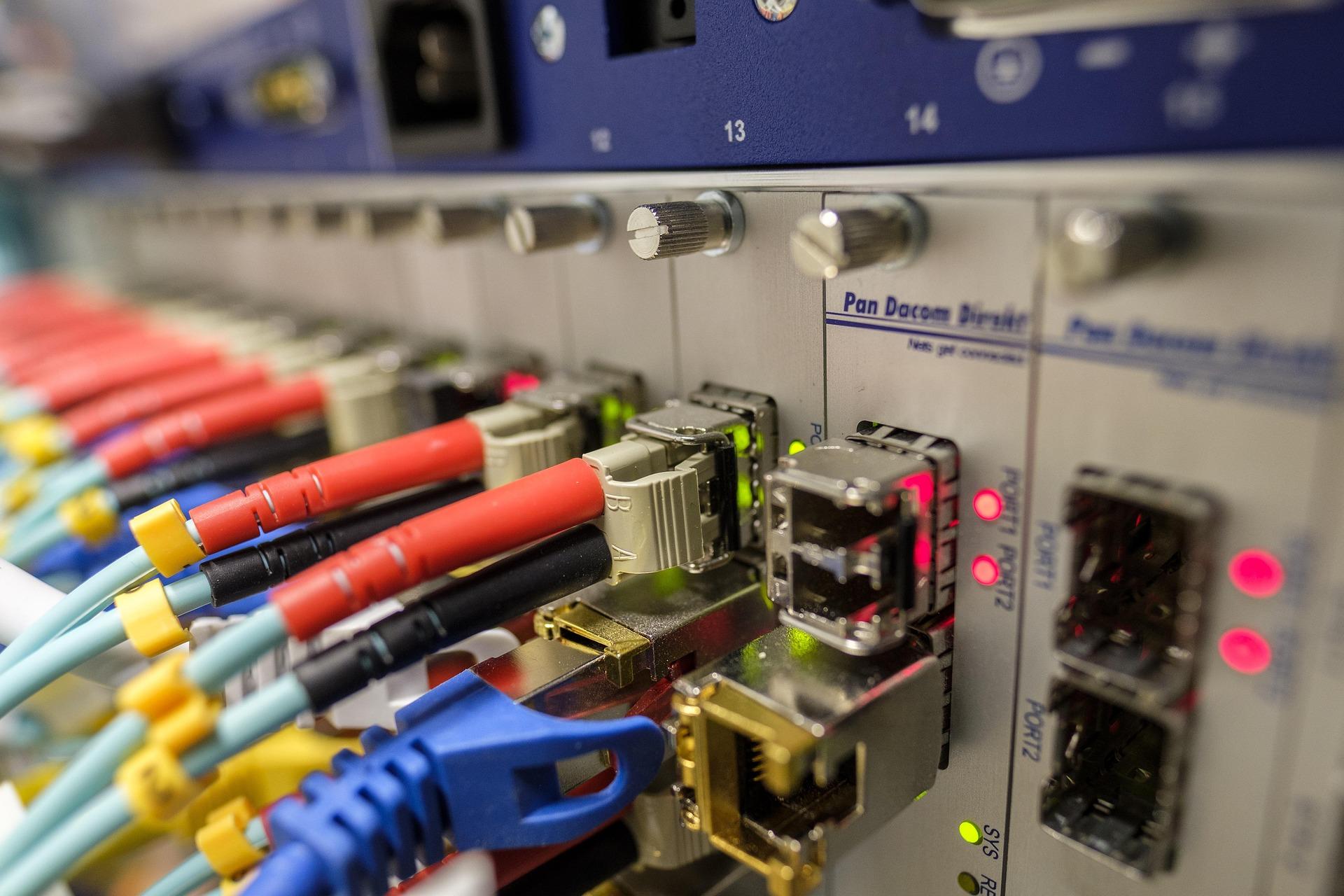
Light Over Copper
NVIDIA just made one of its biggest non-GPU investments to date. On March 2, the company announced $4 billion in combined strategic partnerships — $2 billion with Coherent Corp. and $2 billion with Lumentum Holdings — to develop advanced optical networking technology for AI data centers.
The signal is clear: the bottleneck in AI infrastructure isn't compute anymore — it's connectivity.
Why Optics?
As AI models scale to trillions of parameters and GPU clusters grow to hundreds of thousands of units, the traditional copper-based electrical connections between chips and racks are hitting a wall. They can't move data fast enough, and they burn too much power doing it.
Silicon photonics — using light instead of electricity to shuttle data — offers:
- Ultra-high bandwidth between racks and clusters
- Dramatically lower energy consumption per bit
- Scalability that copper physically can't match
NVIDIA has been calling its large-scale GPU deployments "AI factories." These factories need an interconnect fabric that can keep up with the compute, and copper isn't cutting it.
The Deals
Both partnerships are nonexclusive, multiyear agreements covering:
- Silicon photonics components
- Advanced laser systems
- Optical interconnects
- Co-packaged optics integration
Lumentum is building a new U.S.-based fabrication facility as part of the deal. The Coherent partnership extends a relationship that's been running for over 20 years.
Jensen Huang framed it directly:
"We are pioneering next-generation silicon photonics to enable AI infrastructure at unprecedented scale, speed and energy efficiency."
Vertical Integration Continues
This is part of a broader pattern. NVIDIA is no longer just a GPU company — it's systematically building or securing every layer of the AI data center stack:
- Compute: GPUs and custom accelerators
- Networking: InfiniBand, Spectrum-X Ethernet
- Software: CUDA, NCCL, NeMo
- Now optical interconnects: Silicon photonics partnerships
For anyone building AI infrastructure or investing in the space, the message is that optics is the next critical supply chain — and NVIDIA is locking it down early.
What This Means for Developers
If you're working with large-scale model training or inference deployments, the practical takeaway is that optical interconnects will become standard in AI clusters within the next 2-3 years. Frameworks and deployment tools will need to account for the different latency and bandwidth characteristics that photonic interconnects bring.
For now, it's an infrastructure play. But infrastructure shapes what's possible at the application layer — and NVIDIA is betting $4 billion that light is the future of AI networking.